
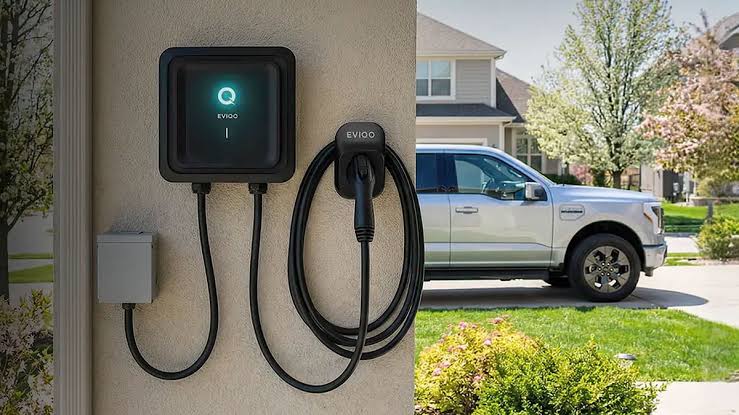
Home EV Charger Circuit Installation for Portland OR Garages
Electric vehicles are becoming a common sight across Portland neighborhoods, and more homeowners are looking for a dependable way to charge their cars at home. Nothing compares to the ease of plugging in your EV overnight and starting each day with a full battery, even though public charging stations might be useful. That’s why Home EV Charger Circuit Installation for Portland OR Garages has become one of the most requested residential electrical upgrades.
A professionally installed home charging circuit provides faster charging, greater safety, and better long-term reliability than relying on standard household outlets. Installing an EV charger involves more than just adding an outlet because every home has a different electrical system. The electrical panel, available capacity, wiring size, breaker rating, and charger location all need to be evaluated to ensure the installation meets current electrical standards.
With over 40 years of experience, Roger Burton Electric provides professional electrical services for homeowners throughout the Portland area. Whether you’re purchasing your first electric vehicle or upgrading to a faster Level 2 charger, having the right electrical infrastructure helps protect your investment while making daily charging simple and efficient.
Modern electric vehicles from Tesla, Ford, Chevrolet, Hyundai, Kia, Rivian, BMW, Mercedes-Benz, Nissan, and many other manufacturers all benefit from dedicated charging circuits that deliver consistent power. Instead of waiting all day for your vehicle to recharge using a regular wall outlet, a professionally installed Level 2 charging circuit allows much faster charging while reducing unnecessary strain on your home’s existing electrical system.
Installing an EV charging circuit today also prepares your home for the future. As electric vehicle ownership continues to grow across Oregon, many homeowners view residential charging equipment as a valuable upgrade that improves convenience and adds long-term appeal to the property. Browse more local home service providers.
Why Homeowners Need a Dedicated 240V Circuit for EV Charging
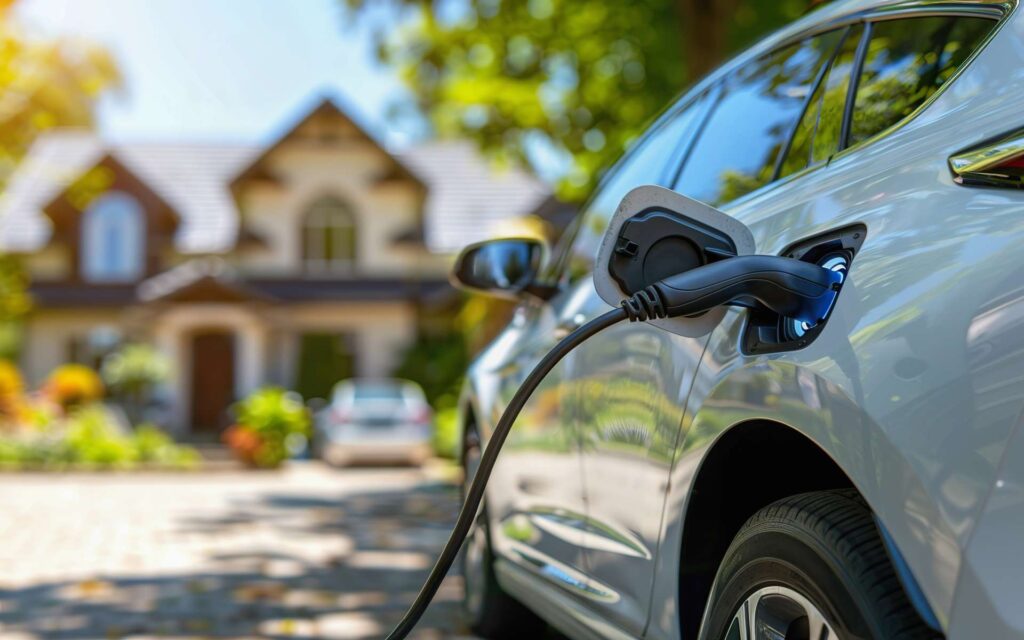
One of the biggest misconceptions about electric vehicle charging is that any outlet can safely charge an EV. While most electric vehicles include a Level 1 charging cable that plugs into a standard 120-volt outlet, this method is often too slow for everyday driving needs. Charging can take well over a full day depending on the vehicle and battery size.
A dedicated 240V circuit dramatically improves charging performance by providing more power directly to the charging equipment. This allows homeowners to install a Level 2 charger capable of charging several times faster than a standard outlet.
More importantly, a dedicated circuit is designed specifically for the continuous electrical load that EV chargers require. Electric vehicles often draw high current for several hours at a time, which is very different from most household appliances. Sharing this load with existing household circuits can lead to nuisance breaker trips, overheating, voltage drops, or premature wear on electrical components.
A properly installed dedicated circuit offers several important advantages:
- Faster overnight charging for daily driving
- Reduced risk of overloaded household circuits
- Improved electrical safety
- Stable power delivery to the charger
- Better protection for the electrical panel
- Increased charging efficiency
- Compliance with current electrical codes
Many Portland homes were built years before electric vehicles became common. Older electrical systems may not have enough available capacity to safely support a Level 2 charger without modifications. That’s why every installation begins with a careful inspection of the home’s electrical service.
Convenience is an additional advantage of building a separate charging circuit. Instead of planning trips around public charging stations or waiting many hours for a full battery, homeowners simply plug in after arriving home. By morning, the vehicle is typically ready for the day’s commute, errands, or travel.
For families with multiple electric vehicles, installing dedicated charging infrastructure can make daily charging even easier and help prepare for future vehicle purchases.
Level 2 Home Charger Installation Process in Portland OR
Every home has unique electrical requirements, which means there is no one-size-fits-all approach to EV charger installation. A professional installation follows a structured process that ensures the charger operates safely, efficiently, and in compliance with applicable electrical standards.
The first step involves evaluating the home’s electrical system, discussing the homeowner’s charging needs, and selecting the best location for the charger. Factors such as garage layout, parking position, charger cable length, future vehicle plans, and electrical panel location all influence the final installation.
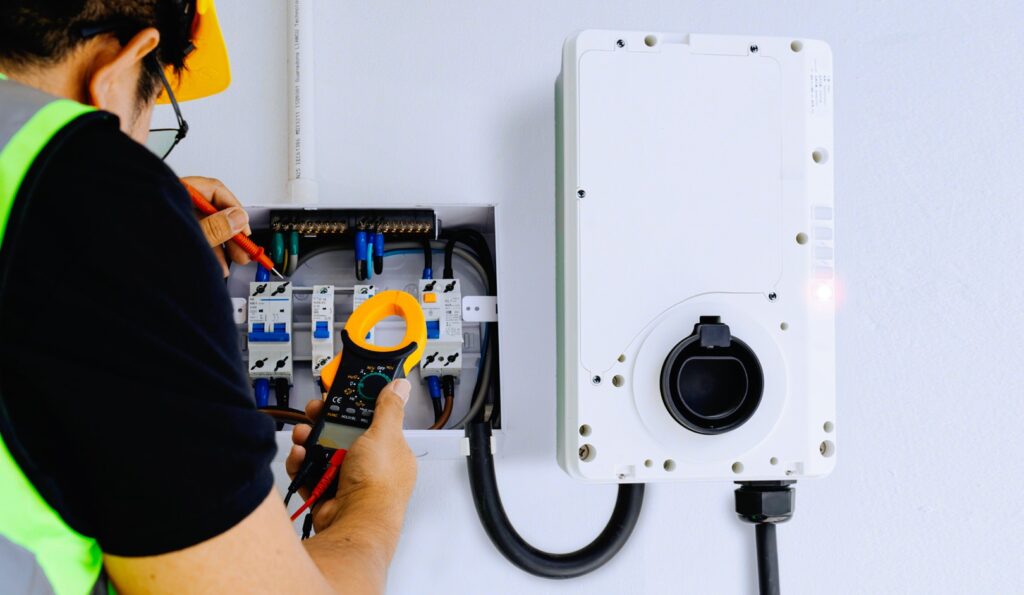
Once the assessment is complete, the electrician determines whether the existing electrical service can support the new charging equipment or if upgrades may be beneficial.
The installation typically includes:
- Electrical panel inspection
- Load calculation
- Circuit design
- Breaker installation
- Dedicated wiring
- Charger mounting
- Electrical testing
- Final safety verification
Attention to detail during installation helps ensure dependable charging for years while minimizing future maintenance issues.
Garage Panel Assessment and Circuit Sizing
One of the most important parts of any EV charger installation is evaluating the electrical panel. Before adding a new high-powered circuit, an electrician must determine whether the existing panel has sufficient capacity to handle the additional electrical demand.
This assessment includes reviewing:
- Main service size
- Available breaker spaces
- Existing household electrical load
- Condition of the panel
- Wire sizing
- Grounding system
- Future expansion needs
If the electrical panel has enough available capacity, installing the dedicated EV charging circuit is generally straightforward. A new breaker is installed, appropriately sized conductors are routed to the garage, and the charging equipment is connected according to manufacturer specifications.
However, some older homes may have limited electrical capacity. In these situations, the electrician may recommend a service panel upgrade, electrical panel replacement, or load management solution before installing the charger. These improvements help ensure the electrical system can safely support both the EV charger and the home’s existing electrical demands.
Proper circuit sizing is equally important. Installing undersized wiring or incorrectly rated breakers can create safety hazards and reduce charger performance. Professional installation ensures every component is matched to the charger’s power requirements and current electrical standards.
NEMA 14-50 Outlet vs Hardwired Charger Setup
Many homeowners ask whether they should install a NEMA 14-50 outlet or choose a permanently hardwired EV charger. Both options have advantages, and the right choice depends on the charger model, electrical capacity, and personal preferences.

A NEMA 14-50 outlet is commonly used for plug-in Level 2 chargers. It provides flexibility because the charger can easily be unplugged if it needs to be replaced, upgraded, or moved. Many portable charging units are designed specifically for this type of outlet, making it a popular option for homeowners who may switch charging equipment in the future.
Benefits of a NEMA 14-50 outlet include:
- Easy charger replacement
- Flexible installation
- Compatible with many portable chargers
- Lower equipment replacement costs
- Convenient for homeowners who may relocate
A hardwired charger, on the other hand, is permanently connected directly to the home’s electrical system. Many manufacturers recommend hardwired installations because they eliminate the plug connection and can often support higher charging speeds depending on the equipment.
Advantages of hardwired installations include:
- Clean professional appearance
- Improved weather resistance for outdoor installations
- Higher available amperage on many charger models
- Reduced wear on electrical receptacles
- Permanent installation with fewer connection points
Some homeowners also prefer hardwired systems because they create a more finished appearance inside the garage and require less ongoing maintenance.
Choosing between these two options depends on several factors, including your home’s electrical system, charger specifications, future plans, and available installation space. A qualified electrician can explain the advantages of each option and recommend the setup that best fits your home. Find additional electrical services at listings page.
Choosing the Right EV Charger for Your Home
Selecting the right EV charger is just as important as installing the electrical circuit that powers it. Today’s market offers dozens of charging stations with different charging speeds, smart features, amperage ratings, cable lengths, and installation requirements. Choosing the right model helps ensure reliable performance while meeting both your current and future charging needs.
The first consideration is compatibility. Most modern Level 2 chargers work with a wide variety of electric vehicles, including Tesla (using compatible adapters where applicable), Ford, Chevrolet, Rivian, Hyundai, Kia, Nissan, Volkswagen, BMW, Mercedes-Benz, Volvo, Honda, and many other manufacturers. Even if you decide to purchase a different electric vehicle in the future, a properly installed charging circuit can often continue serving your needs with minimal changes.
Charging speed is another important factor. Some homeowners simply need overnight charging for a daily commute, while others prefer higher-powered chargers that replenish the battery more quickly between trips. The ideal charger depends on your driving habits, battery size, and the available electrical capacity in your home.
Many homeowners also appreciate smart charging features such as Wi-Fi connectivity, mobile app controls, scheduled charging, energy usage tracking, and software updates. These features can help manage charging during lower electricity demand periods and provide useful insights into household energy consumption.
Installation location should also influence your decision. Chargers designed for garage installation may have different weather-resistance ratings than those intended for outdoor mounting. Cable length, mounting height, and ease of access all contribute to a more convenient charging experience.
Working with an experienced electrician makes the selection process easier. After evaluating your home’s electrical system, available panel capacity, and charging goals, you can choose equipment that offers dependable performance today while preparing your home for the continued growth of electric vehicle ownership. You can also explore our business categories to discover additional residential electrical services available in your area.
Electrical Code and Permit Requirements for EV Chargers in Oregon
Installing a Level 2 EV charger is more than mounting a charging unit on the garage wall. Because EV chargers draw a continuous electrical load for extended periods, they must be installed according to current electrical codes and local building regulations. Following these requirements helps protect your home, your vehicle, and your family’s safety while ensuring the charging system performs reliably for years.
In Oregon, most Level 2 EV charger installations require compliance with the latest edition of the National Electrical Code (NEC) as adopted by the state. Depending on the scope of the project and your local jurisdiction, a permit and inspection may also be required. These inspections help verify that the installation meets safety standards and that the electrical system can safely support the added load.
Several factors are evaluated during a professional installation, including:
- Electrical service capacity
- Proper circuit breaker sizing
- Correct wire gauge
- Grounding and bonding
- GFCI protection where required
- Safe routing of electrical wiring
- Proper mounting height and location
- Weather-resistant equipment for outdoor installations
- Manufacturer installation requirements
One of the most important steps is performing an electrical load calculation. This calculation determines whether your existing electrical panel can safely accommodate the additional power demand from an EV charger without exceeding its rated capacity. If necessary, upgrades such as a larger electrical panel or load management system may be recommended before installation.
Permits are not simply paperwork-they help ensure that the installation has been reviewed and inspected according to current safety standards. This can also be beneficial if you plan to sell your home in the future, as professionally permitted electrical work often provides additional confidence for prospective buyers.
At Roger Burton Electric, every installation is completed with safety, quality workmanship, and compliance in mind. Whether your project involves a straightforward garage installation or requires electrical panel upgrades, proper planning helps avoid unnecessary problems while ensuring dependable charging performance.
Homeowners can learn more about Oregon’s electrical permit requirements and code information through the Oregon Building Codes Division, which provides guidance on residential electrical work and permit regulations.
FAQs About Home EV Charger Installation
Can my current panel support an EV charger?
Possibly, but every home’s electrical system is different. Before installing a Level 2 charger, a licensed electrician should inspect your electrical panel and perform a load calculation to determine whether sufficient capacity is available. Many newer homes can accommodate an EV charger without major changes, while older homes may require a panel upgrade or additional electrical improvements.
How long does EV charger installation take?
Most standard residential EV charger installations can be completed within a few hours. However, the total time depends on several factors, including the distance between the electrical panel and the garage, wiring complexity, permit requirements, and whether electrical panel upgrades are needed. More extensive projects may take a full day or longer.
What size breaker is typically used for a Level 2 EV charger?
The correct breaker size depends on the charger’s power requirements and the manufacturer’s installation specifications. Many residential Level 2 chargers use 40-amp, 50-amp, or 60-amp dedicated breakers. An electrician will select the proper breaker and wire size based on the charger’s electrical demand and applicable code requirements.
Can I install my EV charger outside instead of inside my garage?
Indeed. Numerous Level 2 charging stations can be installed both indoors and outdoors. Outdoor chargers are built to withstand rain, moisture, and changing weather conditions when installed properly. In addition to offering easy vehicle access, the installation site should shield the charging apparatus from needless physical harm.
Do I need a permit to install a home EV charger in Portland, OR?
Many residential Level 2 EV charger installations require an electrical permit and may also require an inspection, depending on the scope of the work and local regulations. A licensed electrician can determine the applicable permit requirements and ensure the installation complies with current Oregon electrical codes and local building standards.
Will a home EV charger increase my home’s value?
While every real estate market is different, many buyers view a professionally installed EV charging circuit as a valuable feature. As electric vehicle ownership continues to grow, homes equipped with dedicated charging infrastructure may appeal to a wider range of future buyers, especially those looking for convenience and energy-efficient upgrades.
Is a hardwired charger better than a plug-in charger?
Both options have advantages. A hardwired charger provides a permanent installation and may support higher charging capacities on some models, while a plug-in charger using a NEMA 14-50 outlet offers greater flexibility if you plan to replace or relocate the charger in the future. The best choice depends on your home’s electrical system, charger model, and long-term charging needs.
Looking for more local businesses and home service professionals? Browse our complete business listings. You can also explore businesses by city through our locations directory.
Whether you’re installing your first EV charger or upgrading your existing charging setup, Roger Burton Electric provides professional home EV charger circuit installation for Portland OR garages backed by more than 40 years of electrical experience. From evaluating your electrical panel to installing dedicated circuits and ensuring code compliance, every project is completed with attention to safety, quality, and long-term reliability so you can enjoy convenient charging at home every day.