

Mini Split Mold Prevention in Hooksett, NH: A Complete Guide
Mini split systems are a popular way to keep homes comfortable throughout the year. However, moisture inside these systems can create the right conditions for mold growth.
For homeowners, proper mini split mold prevention in Hooksett, NH is essential. Regular cleaning, proper drainage, and humidity control can help keep your system clean.
What Causes Mold in Mini Split Systems?
Mold needs moisture, warmth, and organic material to grow. A mini split can provide all three when it is not cleaned or maintained properly.
Condensation naturally forms inside a mini split during cooling. If moisture remains on coils, filters, or other components, mold can begin to develop.
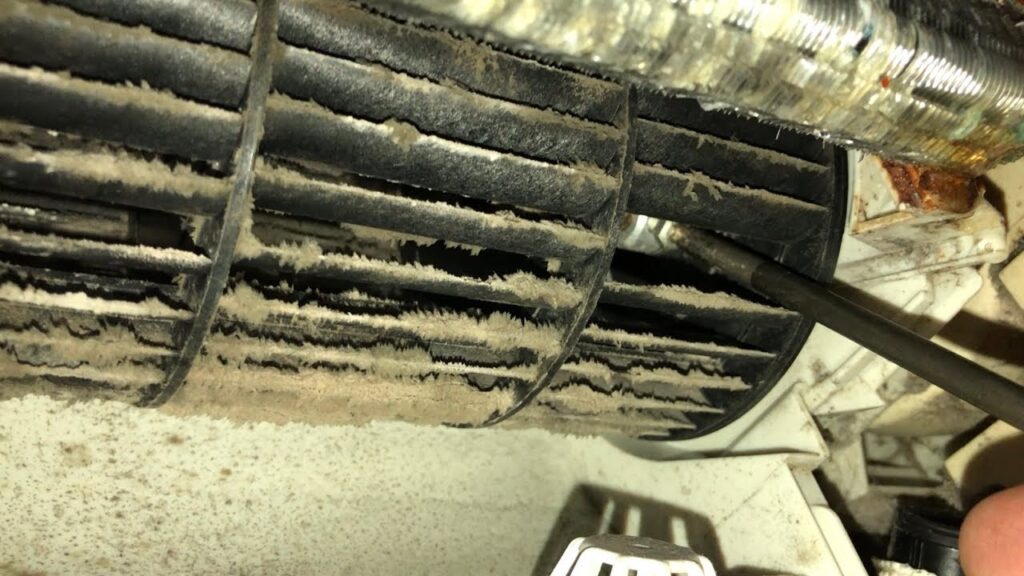
Dust and dirt can also collect inside the indoor unit. When mixed with moisture, this buildup can provide an ideal environment for mold.
A clogged drain line can make the problem worse. Instead of draining properly, water may remain inside the system and increase moisture levels.
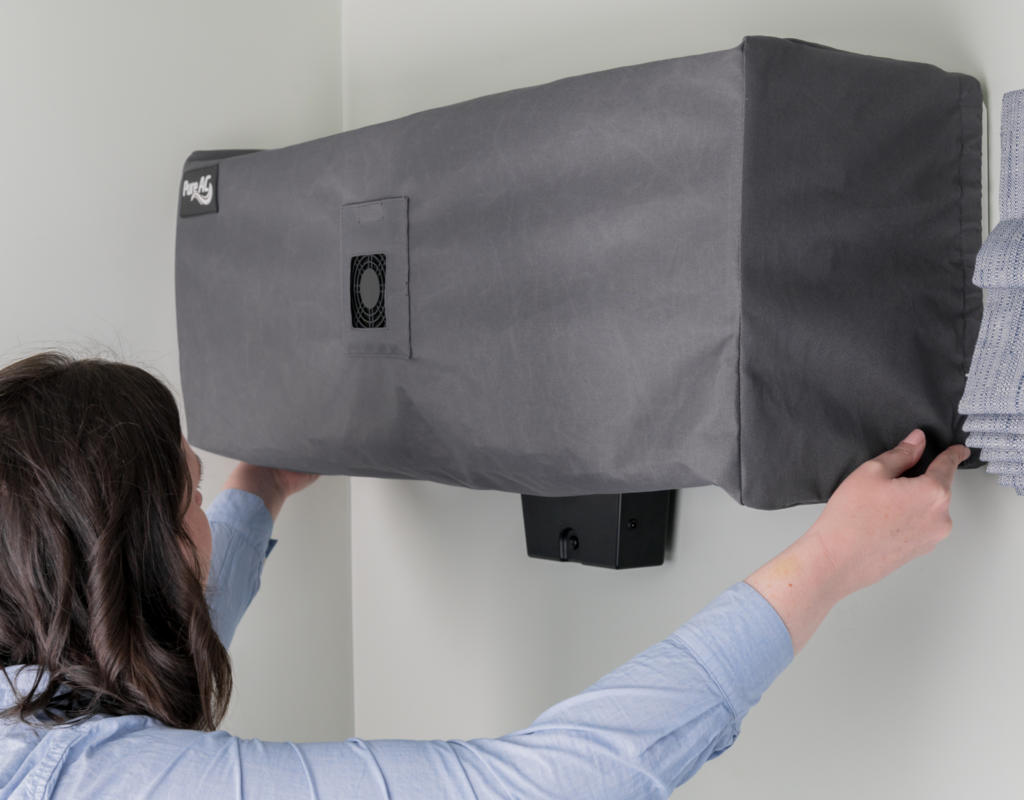
Why Mini Split Mold Is a Problem for Hooksett, NH Homes
Hooksett, NH experiences seasonal changes that can affect indoor humidity. During warmer months, humid air can increase condensation inside a mini split.
Homes with poor ventilation may also retain more moisture indoors. This can make mini split components more likely to develop mold.
Mold inside a mini split can also affect indoor air quality. When the system operates, particles and unpleasant odors may spread through the room.
Preventing mold is therefore about more than keeping the unit looking clean. It can also help maintain a cleaner and more comfortable indoor environment.
Common Signs of Mold in a Mini Split
One of the first signs of mold is a musty smell. You may notice the odor when the mini split starts running.
Visible dark spots around the vents can also indicate a problem. Mold may appear on filters, coils, blower components, or other damp areas.
Another warning sign is reduced airflow. Heavy dirt and mold buildup can interfere with normal airflow through the indoor unit.
Water leaks can also point to a drainage issue. If moisture is not draining correctly, the system may require professional inspection.
How to Prevent Mold in Your Mini Split
Preventing mold starts with simple maintenance habits. Keeping the system clean and dry can reduce the conditions that support mold growth.
Keep the Filters Clean
Mini split filters collect dust, hair, and other airborne particles. Dirty filters can restrict airflow and allow more debris to build up inside the unit.
Check your filters regularly during periods of frequent use. Clean them according to the manufacturer’s recommendations.
A clean filter helps your system maintain better airflow. It can also reduce the amount of dirt reaching internal components.
Clean the Evaporator Coil and Blower
The evaporator coil can collect dust and moisture over time. The blower wheel can also develop buildup that affects system performance.
These components need careful cleaning to avoid damaging delicate parts. Professional cleaning may be the better choice when buildup is heavy.
Keep the Drain Line Clear
Your mini split needs a clear path for condensation to leave the system. A blocked drain line can cause water to collect inside or around the unit.
Check for signs of water leakage or unusual dripping. If you suspect a blockage, have the drainage system inspected and cleaned.
Control Indoor Humidity
Keeping indoor humidity at a reasonable level can help prevent mold. Use ventilation, air conditioning, or a dehumidifier when necessary.
Bathrooms, kitchens, and basements can create additional indoor moisture. Managing moisture in these areas can also support overall mold prevention.
Use the Fan or Dry Function Properly
Some mini split systems include features designed to reduce internal moisture. These features may help dry components after cooling.
Check your owner’s manual to understand how your specific system operates. Using the available settings correctly can support regular mold prevention.
How Often Should You Clean a Mini Split to Prevent Mold?
Cleaning frequency depends on usage, indoor conditions, and household activity. A system used heavily may need more frequent filter and component cleaning.
Filters should be checked regularly throughout the cooling season. Internal components should also be inspected when performance or odors change.
A professional maintenance visit can provide a deeper inspection. This is especially useful when the system has not been cleaned for an extended period.
Regular maintenance can also help identify drainage or airflow problems early. Addressing these issues can reduce the chance of larger repairs later.
DIY Mini Split Mold Prevention: What Homeowners Can Do
Homeowners can handle several basic maintenance tasks themselves. Cleaning accessible filters is one of the simplest ways to maintain a mini split.
You can also keep the area around the indoor unit free from dust and clutter. Good airflow around the unit helps it operate more effectively.
However, avoid taking apart internal components without proper knowledge. Improper cleaning can damage electrical parts, coils, or other sensitive components.
If you see extensive mold or heavy buildup, consider professional service. A trained technician can safely inspect and clean areas that are difficult to reach.
When to Call a Professional for Mini Split Mold
Professional help may be necessary when mold keeps returning after cleaning. Persistent odors can also indicate that contamination remains inside the unit.
Water leaks, poor drainage, and reduced cooling should not be ignored. These symptoms may point to underlying maintenance or mechanical problems.
Professional cleaning can reach components that basic filter cleaning cannot. It can also help identify the source of recurring moisture.
Professional Mini Split Cleaning and Mold Prevention in Hooksett, NH
For homeowners in Hooksett, professional mini split maintenance can provide extra peace of mind. A technician can inspect the system and look for moisture, dirt, mold, and drainage issues.
Professional service may include cleaning filters, coils, blowers, and drainage components. The exact service depends on the condition and design of your mini split.
Routine maintenance can help keep your system cleaner throughout the year. It can also support efficient operation and help prevent recurring problems.
How Much Does Mini Split Mold Prevention Cost in Hooksett, NH?
The cost of mini split cleaning can vary from one home to another. Factors include the system’s condition, number of units, and level of buildup.
Basic maintenance is generally less involved than extensive mold remediation. If mold has spread beyond the mini split, additional professional services may be needed.
The best way to understand your potential cost is to request an inspection. A professional can evaluate the system and recommend the appropriate cleaning service.
Frequently Asked Questions About Mini Split Mold Prevention
Can mini splits grow mold?
Yes, mini splits can develop mold when moisture and organic debris remain inside the system. Regular cleaning and moisture control can help reduce the risk.
How do I know if my mini split has mold?
A musty smell, visible dark buildup, or recurring moisture can indicate mold. Professional inspection can confirm whether internal components need cleaning.
Can cleaning the filter prevent mold?
Cleaning the filter helps reduce dust and debris entering the system. However, filters alone cannot prevent mold on internal components.
How can I prevent mold from coming back?
Keep filters clean, control indoor humidity, and maintain proper drainage. Professional cleaning can also help when mold or buildup has already developed.
Should I clean my mini split myself?
Basic filter cleaning is usually manageable for homeowners. Internal cleaning should be handled carefully to avoid damaging the system.
Keep Your Mini Split Clean, Dry, and Mold-Free
Proper maintenance is one of the best ways to reduce mold risks in a mini split. Simple habits can help keep moisture, dirt, and buildup under control.
For homeowners searching for mini split mold prevention in Hooksett, NH, prevention should be a regular part of system care. Clean filters, proper drainage, and controlled humidity can make a meaningful difference.
When odors, leaks, or visible mold appear, do not ignore the warning signs. Professional inspection and cleaning can help address the problem before it becomes more difficult to manage.
A clean mini split can support better comfort and a healthier indoor environment. With regular care, homeowners can also help their systems perform reliably throughout the year.